
I love the French but
 Drop in for a natter about anything French related.
-
RobertArthur

- Posts: 2863
- Joined: Sat Jul 17, 2021 3:10 pm
- Location: Nièvre
Re: I love the French but
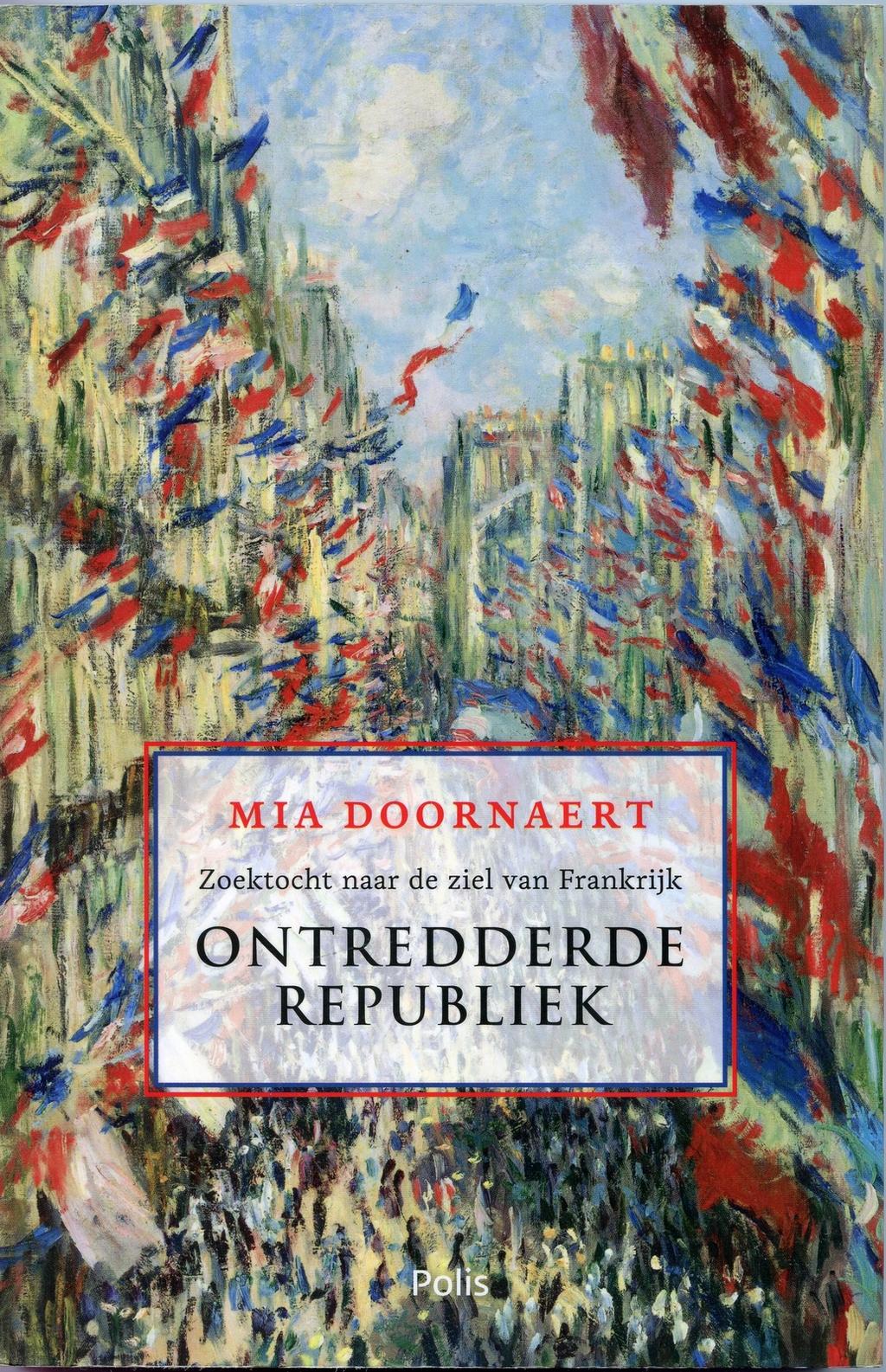
Five years ago a journalist from Belgium, Mia Doornaert, tried to do some research on the French DNA. Book title: "De ontredderde republiek" (The distraught Republic). The French history in a nutshell. About a collectively depressed France, a quest for the soul of France. There is no translation in English available I'm afraid. So only a quick translation of an interview with her.
-
Blaze

- Posts: 5573
- Joined: Mon Jul 12, 2021 9:06 pm
- Location: Ille et Villaine (35)
Re: I love the French but
I've done extensive research too Wilbro and know that I will have extended relations in Australia and New Zealand and probably in the US. I would like to check on the Norwegian connection and if the Macleod genealogy is correct. It would be nice to have some surprises too !
-
banjobob
- Posts: 19
- Joined: Fri Jul 16, 2021 10:25 pm
Re: I love the French but
I read he got it wrong, not sure how that happens when your an expert.DominicBest wrote: ↑Tue Jul 20, 2021 9:33 am That announcement was incorrect, he messed up. The 60% is for unvaccinated people not double vaccinated, a huge difference.
-
DominicBest
- Posts: 772
- Joined: Mon Jul 19, 2021 10:09 am
Re: I love the French but
He’s an expert at science, he’s not an expert at reading.banjobob wrote: ↑Wed Jul 21, 2021 7:49 pmI read he got it wrong, not sure how that happens when your an expert.DominicBest wrote: ↑Tue Jul 20, 2021 9:33 am That announcement was incorrect, he messed up. The 60% is for unvaccinated people not double vaccinated, a huge difference.
-
Wilbro
- Posts: 945
- Joined: Mon Jul 12, 2021 7:22 pm
- Location: Correze
Re: I love the French but
Back on DNA this is from the "Lost Cousins" website. Worth a look if you are seriously interested. It's free:
"Whilst all of our DNA comes from our ancestors, how much we inherit from each ancestor varies enormously. True, you inherit half of your autosomal DNA from each parent, but after that it gets more variable – you certainly won’t have inherited precisely 25% from each grandparent, and even if you did, you wouldn't have inherited exactly the same segments as your siblings and cousins.
To get a better understanding of how DNA works take a standard pack of 52 playing cards, shuffle them, then deal out 13 cards – this represents the one-quarter of your grandparents' DNA that you inherited. You might imagine that each suit represents one of your grandparents – inevitably you'll have more cards of some suits than others.
Now take another pack of cards and repeat the process – this second hand of 13 cards represents the DNA of one of your 1st cousins. There will almost certainly be a different balance between the four suits, but if you compare the two hands carefully you'll see that some cards appear in both hands – they represent the DNA that you share with your cousin.
All of the cards come from identical packs, but which of those cards are in each hand is random. The number of cards that appear in both hands is very random, as you'll see if you repeat the exercise a few times (in my trials it varied from 1 to 4). The amount of DNA you share with your cousins varies in a similar way – and whilst the amount of shared DNA tends to be higher for close cousins and lower for distant cousins, deducing precisely what the relationship is from the amount of DNA you share is usually impossible."
"Whilst all of our DNA comes from our ancestors, how much we inherit from each ancestor varies enormously. True, you inherit half of your autosomal DNA from each parent, but after that it gets more variable – you certainly won’t have inherited precisely 25% from each grandparent, and even if you did, you wouldn't have inherited exactly the same segments as your siblings and cousins.
To get a better understanding of how DNA works take a standard pack of 52 playing cards, shuffle them, then deal out 13 cards – this represents the one-quarter of your grandparents' DNA that you inherited. You might imagine that each suit represents one of your grandparents – inevitably you'll have more cards of some suits than others.
Now take another pack of cards and repeat the process – this second hand of 13 cards represents the DNA of one of your 1st cousins. There will almost certainly be a different balance between the four suits, but if you compare the two hands carefully you'll see that some cards appear in both hands – they represent the DNA that you share with your cousin.
All of the cards come from identical packs, but which of those cards are in each hand is random. The number of cards that appear in both hands is very random, as you'll see if you repeat the exercise a few times (in my trials it varied from 1 to 4). The amount of DNA you share with your cousins varies in a similar way – and whilst the amount of shared DNA tends to be higher for close cousins and lower for distant cousins, deducing precisely what the relationship is from the amount of DNA you share is usually impossible."